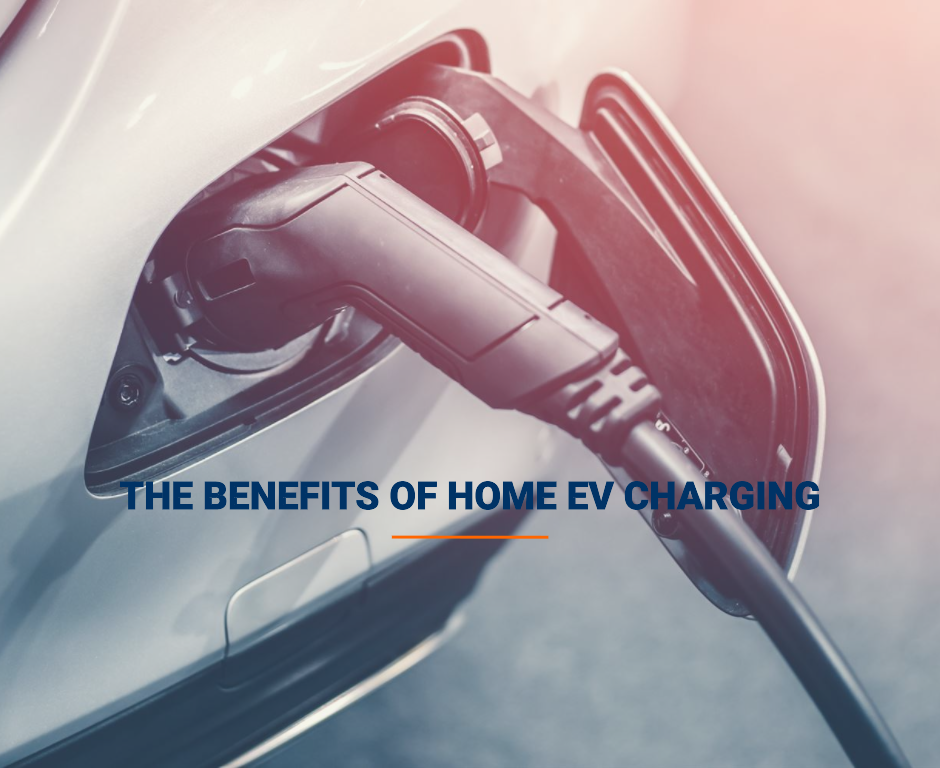

Electric vehicles (EVs) are becoming increasingly popular as people seek more environmentally friendly transportation options. With the growing adoption of EVs, the need for accessible charging stations is also on the rise. While there are many commercial EV charging stations available, building your DIY EV charging station can be a rewarding and cost-effective project. In this article, we will guide you through the step-by-step process of creating your very own DIY EV charging station.
Why Build a DIY EV Charging Station
Building a DIY EV charging station has several advantages. Firstly, it allows you to customize the charging station to fit your specific needs. You can choose the charging capacity, design, and location according to your convenience. Secondly, it can significantly reduce the installation cost compared to purchasing a pre-built charging station. Lastly, constructing your charging station can be a fulfilling and educational experience, giving you a deeper understanding of EV technology.
Understanding Electric Vehicle Charging
Before diving into the construction process, it’s essential to understand the different levels of EV charging.
Level 1 Charging
Level 1 charging uses a standard household outlet (120V) and is the slowest method of charging an EV. It’s best suited for overnight charging, and while it is the most accessible, it might not be sufficient for daily charging needs.
Level 2 Charging
Level 2 charging operates at 240V and provides a faster charging rate than Level 1. It requires a dedicated charging unit and is commonly installed in homes and public charging stations. Level 2 charging is ideal for daily charging needs.
Level 3 Charging (DC Fast Charging)
Level 3, also known as DC Fast Charging, is the quickest charging option. It operates at high power and is commonly found in public charging stations along highways. While it can charge an EV rapidly, it is more expensive to install.
Tools and Materials Needed
Before you start building your DIY EV charging station, make sure you have the following tools and materials ready:
Tools:
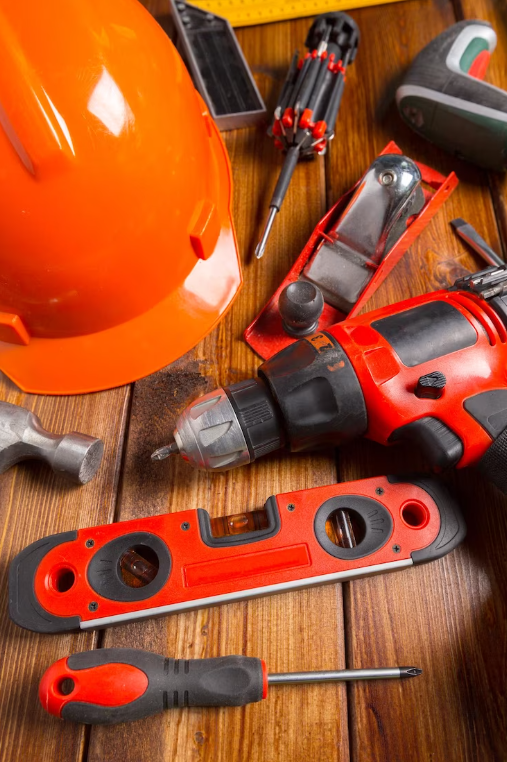
- Screwdriver set – for assembling the charging unit and mounting components.
- Adjustable wrench – for securing nuts and bolts.
- Wire stripper – for removing insulation from electrical wires.
- Wire cutter – for cutting electrical wires to the required length.
- Level – for ensuring the charging station is mounted straight and level.
- Power drill – for creating holes in the mounting surface.
- Socket set – for tightening various nuts and bolts.
- Voltage tester – for checking electrical circuits for power.
- Measuring tape – for precise measurements during installation.
Materials:
- EV Charging Unit – choose a suitable charging unit compatible with your electric vehicle.
- Mounting Bracket – securely attach the charging unit to the chosen location.
- Electrical Wiring – use high-quality electrical wires rated for the charging unit’s power requirements.
- Wall Anchors – for anchoring the mounting bracket to the wall.
- Electrical Conduit – to protect the electrical wiring from damage and exposure.
- Junction Box – for housing electrical connections in a safe and enclosed space.
- Circuit Breaker – to protect the charging station from overcurrent.
- Outdoor Rated Enclosure – if the charging station is installed outdoors.
- Safety Signage – to provide clear instructions and safety information for users.
Ensure that all materials meet safety standards and are appropriate for your EV charging station’s power requirements. Safety should be a top priority throughout the installation process, so don’t forget to wear appropriate safety gear, such as gloves and safety glasses, while handling electrical components.
Step-by-Step Guide to Building a DIY EV Charging Station
Follow these steps to build your DIY EV charging station:
Step 1: Determine Power Requirements
Before you start building your DIY EV charging station, calculate the power requirements based on your electric vehicle’s battery capacity and the desired charging time. This information will help you choose the right charging unit and ensure it can provide sufficient power for your vehicle’s needs.
Step 2: Choose a Location
Select a suitable location for your charging station. Consider factors such as accessibility, proximity to your electric vehicle’s parking spot, and protection from the elements. The charging station should be installed near a power source and within a reasonable distance from your vehicle.
Step 3: Obtain Necessary Permits
Check with your local authorities to obtain the required permits for installing an EV charging station. Different regions may have specific regulations and safety standards for electrical installations, so it’s essential to comply with all the necessary legal requirements.
Step 4: Install the Charging Unit
Mount the charging unit on a stable and secure surface. Follow the manufacturer’s instructions carefully to ensure proper installation. Use the appropriate tools and materials to attach the charging unit securely to the mounting surface, such as a wall or a charging station pole.
Step 5: Set Up Electrical Wiring
Unless you have experience in electrical work, it is highly recommended to hire a licensed electrician to set up the electrical wiring for the charging station. The electrician will ensure that the wiring meets safety standards and is properly connected to the power source and the charging unit.
Step 6: Mount the Charging Station
Once the electrical wiring is in place and the charging unit is securely installed, mount the entire charging station in the chosen location. Ensure that all the connections are properly secured and that there are no exposed wires or loose components.
Step 7: Test and Troubleshoot
After completing the installation, test the charging station to ensure it is functioning correctly. Plug in your electric vehicle and verify that it starts charging. Monitor the charging process to make sure there are no issues or abnormalities. If you encounter any problems, troubleshoot them or seek professional assistance if necessary.
Remember to follow all safety precautions during the installation process and avoid handling any electrical components if you are not familiar with electrical work. Safety is paramount when dealing with electricity, so always prioritize your well-being and the safety of others.
Maintaining and Upgrading Your DIY EV Charging Station
Regular maintenance is crucial to keep your DIY EV charging station in top condition. Periodically inspect the charging cables, connections, and charging unit for any signs of wear or damage. Additionally, consider upgrading your charging station to keep up with advancements in EV technology.
Common Mistakes to Avoid
Avoid these common pitfalls when building your DIY EV charging station:
- Skipping Permits and Regulations: Neglecting to obtain the necessary permits and complying with local regulations can lead to legal issues and safety hazards. Always check with your local authorities before starting the installation.
- Ignoring Safety Precautions: Working with electricity can be dangerous. Avoid working on the charging station without the proper knowledge and safety gear. Hire a licensed electrician to handle electrical connections and ensure all safety measures are followed.
- Using Low-Quality Components: Opting for cheap or substandard components may save money initially, but it can lead to poor performance and potential hazards in the long run. Invest in high-quality charging units, wiring, and mounting materials for a reliable and safe charging station.
- Inadequate Power Capacity: Failing to calculate the power requirements of your electric vehicle correctly can result in slow charging or insufficient power supply. Ensure the charging unit can handle the required voltage and current for your vehicle.
- Improper Location: Placing the charging station in an inconvenient or poorly protected location can make it challenging to use, expose it to harsh weather conditions, or create tripping hazards. Choose a strategic location with easy access and protection from the elements.
- Faulty Wiring Connections: Incorrectly wiring the charging unit or using loose connections can lead to electrical issues, including power fluctuations and potential hazards. Always have a professional electrician handle the electrical connections.
- Ignoring Future Upgrades: As EV technology evolves, you may need to upgrade your charging station to accommodate newer electric vehicles with different power requirements. Plan for future upgrades and ensure the charging station is adaptable.
- Insufficient Maintenance: Neglecting regular maintenance can lead to decreased charging performance, safety risks, and potential damage to the charging station. Perform periodic inspections and upkeep to ensure everything is in good working condition.
- Lack of User Instructions: If you’re planning to share the charging station with others, provide clear user instructions and safety guidelines to avoid misuse and potential accidents.
- Not Testing the Station Properly: Before regular use, thoroughly test the charging station and check for any issues. Ensure it charges your electric vehicle correctly and consistently.
By avoiding these common mistakes, you can build a safe, efficient, and reliable DIY EV charging station. Always prioritize safety and quality to enjoy the benefits of charging your electric vehicle conveniently at home.
Conclusion
In conclusion, constructing your own DIY EV charging station is an excellent way to enhance your EV ownership experience. It provides cost savings, customization options, and an eco-friendly approach to charging your electric vehicle. Follow the step-by-step guide and safety precautions to build a reliable and efficient charging station for your EV.
FAQs
- Is building a DIY EV charging station safe?
- Yes, as long as you follow safety guidelines and use quality components, it can be safe and reliable.
- Can I install a Level 3 DC Fast Charging station at home?
- Level 3 charging stations typically require high power and are more suited for public spaces or commercial use.
- What tools do I need to build a DIY EV charging station?
- You will need basic hand tools, electrical wiring equipment, and a charging unit compatible with your EV.
- Can I use a regular power outlet to charge my EV?
- Yes, you can use a Level 1 charging method with a standard household outlet, but it will be slower.
- How often should I maintain my DIY EV charging station?
- Regularly inspect and maintain your charging station every six months or as recommended by the manufacturer.